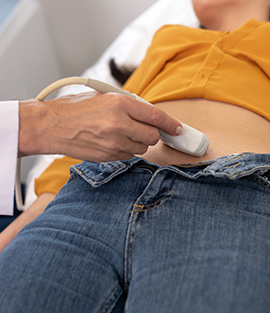
What is Uterine Fibroid Embolization (UFE)?

Uterine Fibroid Embolization (UFE), also known as Uterine Artery Embolization (UAE), is a minimally invasive procedure designed to shrink fibroids and alleviate symptoms without the need for surgery. It works by blocking the blood supply to fibroids, causing them to shrink over time. UFE is performed by an interventional radiologist using advanced imaging techniques to ensure precision and effectiveness.

What to Expect During the Procedure

UFE is a non-surgical procedure performed under local anesthesia and mild sedation. Here’s what you can expect:

  1. Catheter Insertion:
    • A tiny incision (about 2mm) is made in the wrist or groin area.
    • A thin catheter is inserted into the uterine artery under the guidance of fluoroscopic imaging.
  2. Embolization Process:
    • Tiny biocompatible particles are injected into the blood vessels supplying the fibroids.
    • These particles block the blood flow, depriving the fibroids of oxygen and nutrients.
    • As a result, the fibroids shrink and symptoms progressively improve.
  3. Completion & Recovery:
    • The procedure takes about 60–90 minutes.
    • Since UFE is minimally invasive, most patients return home the same day.
    • Recovery is typically 1–2 weeks, significantly shorter than surgical options.

How Can UFE Be Effective on Fibroids Without Surgery?

Unlike traditional surgery, UFE directly targets fibroids while preserving the uterus. Here’s how it effectively treats fibroids:

  • Blood Flow Blockage: By cutting off blood supply, fibroids gradually shrink and stop growing.
  • Symptom Relief: Heavy bleeding, pelvic pain, and pressure reduce significantly within weeks to months.
  • Preserves the Uterus: Unlike a hysterectomy, UFE does not remove the uterus, making it a preferred choice for women who want to maintain reproductive potential.
  • Minimally Invasive: No large incisions, no general anesthesia, and a faster recovery.


Results After UFE: What to Expect

  • Fibroid Shrinkage: Studies show that fibroids shrink by 30–50% within 3–6 months after UFE.
  • Symptom Improvement: Over 85–90% of women experience significant relief from heavy bleeding, pelvic pain, and pressure.
  • Menstrual Regulation: Many women resume normal menstrual cycles with reduced pain and bleeding.
  • Long-Term Success: UFE provides lasting relief, with a low risk of fibroid recurrence.


Understanding Uterine Fibroids

Uterine fibroids are noncancerous growths that develop in the uterus and affect millions of women. Their size, location, and symptoms vary, and they can lead to heavy periods, pelvic pain, and fertility issues.

Types of Fibroids

  • Intramural Fibroids – Grow within the muscular wall of the uterus.
  • Submucosal Fibroids – Extend into the uterine cavity, causing heavy bleeding.
  • Subserosal Fibroids – Develop on the outer wall, leading to pelvic pressure.
  • Pedunculated Fibroids – Grow on stalks inside or outside the uterus.
Symptoms and Diagnosis While some women experience no symptoms, others may have:
  • Heavy, prolonged periods
  • Pelvic pain & pressure
  • Frequent urination
  • Bloating & constipation
  • Pain during intercourse
UFE

UFE vs. Surgical Treatments: Which is Right for You?

There are both surgical and non-surgical options for fibroid treatment:

Non-Surgical Option: UFE

  • Minimally invasive, uterus-preserving
  • Short recovery time (1–2 weeks)
  • No hospital stay required

Surgical Options

  • Myomectomy (Fibroid removal, preserves the uterus)
  • Hysterectomy (Complete removal of the uterus, permanent solution)

Surgical treatments may be necessary for severe cases or women with very large or numerous fibroids. However, UFE is an effective alternative for most women seeking relief without surgery.

Take Control of Your Fibroid Health

If you’re struggling with fibroid symptoms, Uterine Fibroid Embolization could be the solution you need. Book a consultation with Dr. Jamal Al Deen Alkoteesh to discuss your options and find the best treatment for you.

UFE vs. Surgical Treatments: Which is Right for You?

What Is Physiotherapy?

Bring To The Table Win-Win Survival Strategies To Ensure Proactive Domination. At The End Of The Day, Going Forward, A New Normal That Has Evolved From Generation X Is On The

When Might I Need Physiotherapy?

Bring To The Table Win-Win Survival Strategies To Ensure Proactive Domination. At The End Of The Day, Going Forward, A New Normal That Has Evolved From Generation X Is On The

How Does A Physiotherapist Assess My Condition?

Bring To The Table Win-Win Survival Strategies To Ensure Proactive Domination. At The End Of The Day, Going Forward, A New Normal That Has Evolved From Generation X Is On The

smallIcon
GET APPOINTMENT

Start Up Your Health Care With Us

Experience Staff

Our therapists are trained and certified in therapy technique

Personalized Treatment

Personalized Treatment I'll book a meeting so we can solution this before the sprint

    Design-Element-large-new
    This site is registered on wpml.org as a development site. Switch to a production site key to remove this banner.